1. Home
  2. Markets
  3. Chicago

CHICAGO PEDICAB ADVERTISING + SPONSORED RIDES

Big City. Several Crowds Worth Chasing.

Chicago does not have one event district or one kind of audience. It has convention traffic at McCormick Place, Bulls and Blackhawks fans on the Near West Side, Bears and Fire crowds at Soldier Field, Cubs fans in Wrigleyville, festival traffic in Grant Park, visitors along the lakefront, and millions of people moving through downtown every year.

Kween Cab builds pedicab advertising, sponsored rides, mobile OOH, street teams, and event activations around the specific Chicago crowd a brand is trying to reach. The city is too large for a generic route to be useful. The campaign should go where the audience actually is.

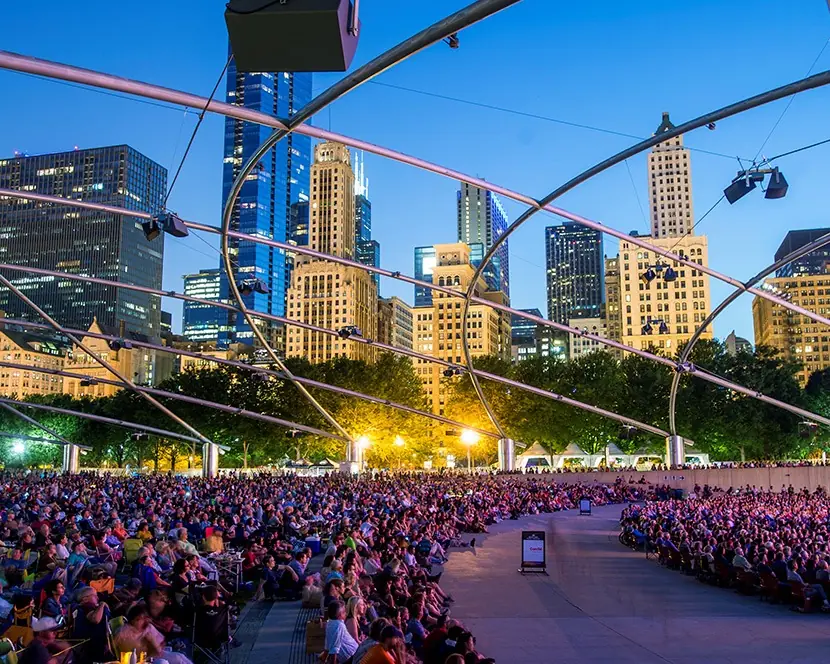
Summer concert crowd at Millennium Park in downtown Chicago

CHICAGO HAS MORE THAN ONE CROWD ENGINE

The City Changes by Neighborhood, Venue, and Event.

A convention attendee leaving McCormick Place is not moving through Chicago the same way as a Cubs fan in Wrigleyville or a concert crowd leaving the United Center. That is not a complication. It is the opportunity.

Chicago gives brands several concentrated audience pockets across the calendar. A strong street-level campaign is built around one of those pockets - or around a planned sequence of them - instead of trying to be everywhere at once.

The creative can travel. The street plan should be specific.

THE BIG CHICAGO OPPORTUNITIES

Convention Badges, Stadium Crowds, Festivals, Fans, and a Very Busy Lakefront.

McCormick Place + McCormick Square

McCormick Place is the largest convention center in North America, with 2.6 million square feet of exhibit space and close to 3 million visitors annually. IMTS, PACK EXPO International, RSNA, the National Restaurant Association Show, ASCO, the Chicago Auto Show, ProMat, FABTECH, and other major shows create some of the most valuable concentrated B2B audiences in the city.

For exhibitors and sponsors, the opportunity continues after the attendee leaves the hall: nearby hotels, dinners, hospitality, transportation, and the broader convention district all create additional impressions and ride opportunities.

United Center

Home to the Chicago Bulls and Chicago Blackhawks, the United Center hosts more than 200 events a year, including major concerts, college sports, family shows, and special events. Game and concert nights create predictable arrival and departure windows around the Near West Side, with fans moving between parking, restaurants, bars, hospitality, and the arena.

For the right sponsor, a pedicab can be both moving media and the answer to the last few blocks nobody feels like walking after the game.

Soldier Field + Museum Campus

Chicago Bears games, Chicago Fire FC matches, concerts, and special events bring large crowds to the lakefront and Museum Campus. The opportunity is not just the gate. It is the movement before and after the event - hotels, transit, parking, restaurants, hospitality, and the routes people use to reach the stadium district.

Wrigley Field + Wrigleyville

Cubs games turn Wrigleyville into a recurring neighborhood event, and Wrigley Field also hosts major concerts and special programming. The audience is social, consumer-facing, and already moving through one of the city's densest entertainment districts before and after the event.

That makes the surrounding neighborhood valuable for branded visibility, sampling, QR engagement, and sponsored short rides that connect the stadium crowd with nearby destinations.

Grant Park + Lollapalooza

Lollapalooza puts four days of music, 170+ artists, and eight stages into Grant Park under the Chicago skyline. The festival itself is only part of the brand opportunity. Hotels, restaurants, aftershows, transit, nightlife, and downtown pedestrian traffic stretch the audience well beyond the park gates.

This is the kind of environment where a moving campaign can stay visible while the crowd keeps changing locations.

Bank of America Chicago Marathon

Marathon weekend creates a citywide audience of runners, spectators, sponsors, volunteers, and visitors, with Grant Park as a major event hub and activity spread across neighborhoods along the course. For brands tied to fitness, wellness, finance, apparel, travel, food, hydration, and lifestyle, the weekend creates a very different Chicago audience than a trade show or stadium event.

Navy Pier + Streeterville

Navy Pier welcomed 8.3 million guests in 2025 and remains one of Chicago's largest year-round leisure destinations. Combined with Streeterville hotels, restaurants, attractions, and lakefront traffic, the area creates a steady consumer audience instead of a single event window.
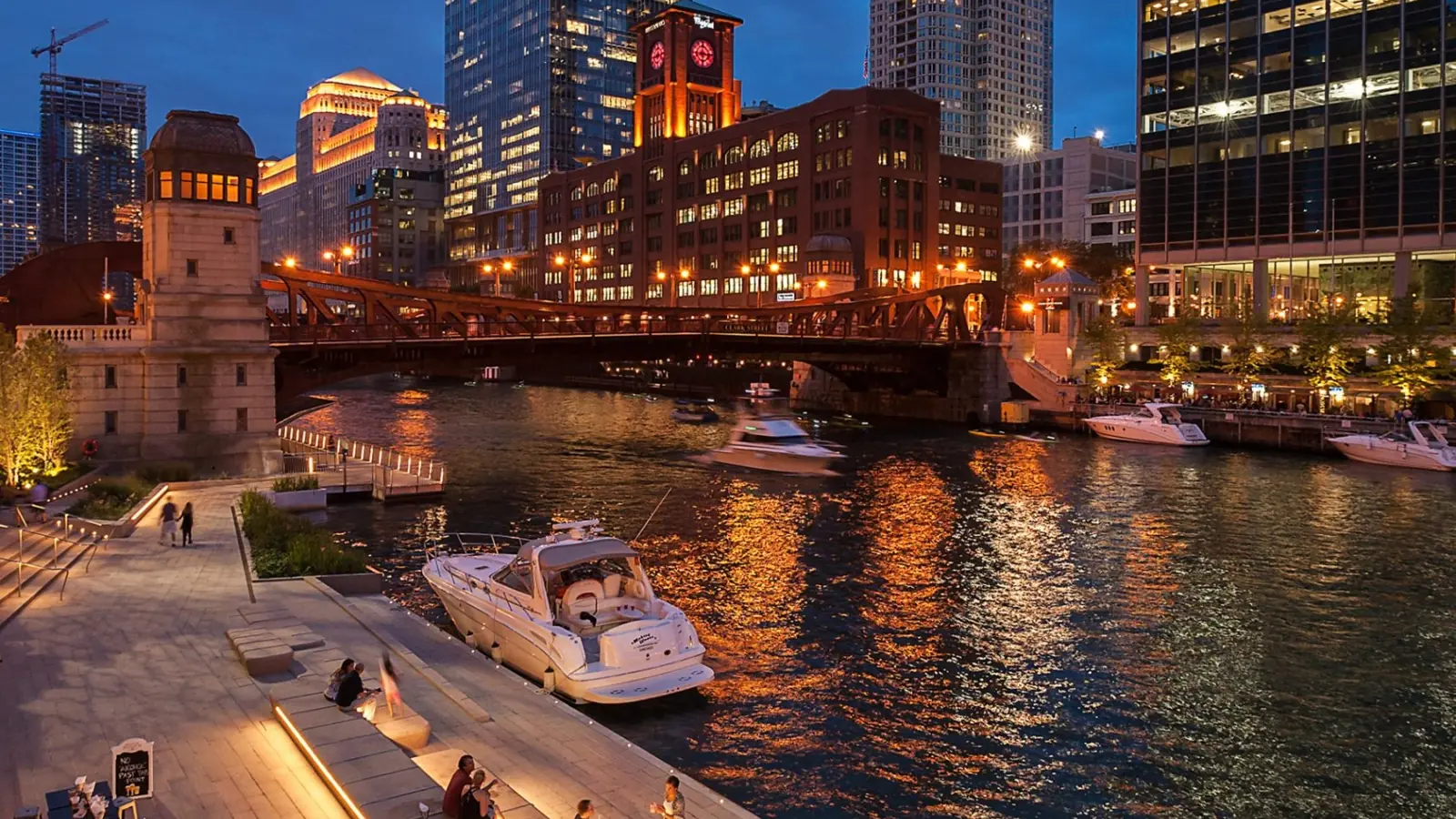
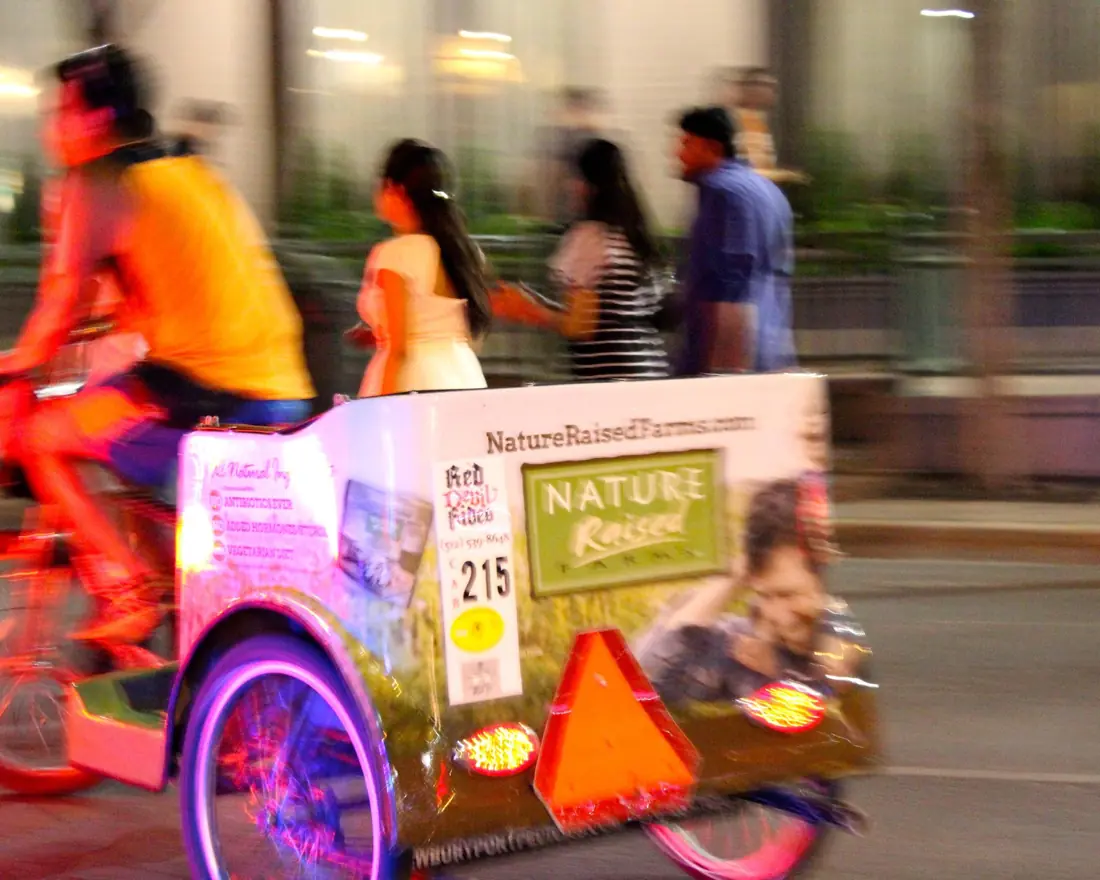
Branded pedicab moving through a night festival

SPONSORED RIDES IN CHICAGO

A Few Blocks Can Be a Lot of Chicago.

Chicago produces exactly the kind of short trips that make a sponsored pedicab ride useful: convention center to hotel, arena to restaurant, parking to stadium, event to hospitality, or the final stretch between two downtown destinations.

The sponsor covers the ride. The passenger gets somewhere useful. The brand becomes part of the experience instead of another message competing for attention.

And when Chicago weather decides to participate in the event plan, 'walkable' can become a very flexible term.

MOBILE OOH

Put the Media in the Same District as the Audience.

Wrapped and branded pedicabs can be deployed around approved event districts, convention traffic, stadium areas, hospitality programs, entertainment corridors, and other high-foot-traffic environments.

Campaign branding can include wraps, panels, wheel covers, driver apparel, QR codes, and other creative elements appropriate to the program. The objective is not to drive around Chicago hoping for impressions. It is to be visible where the intended audience is already concentrated.

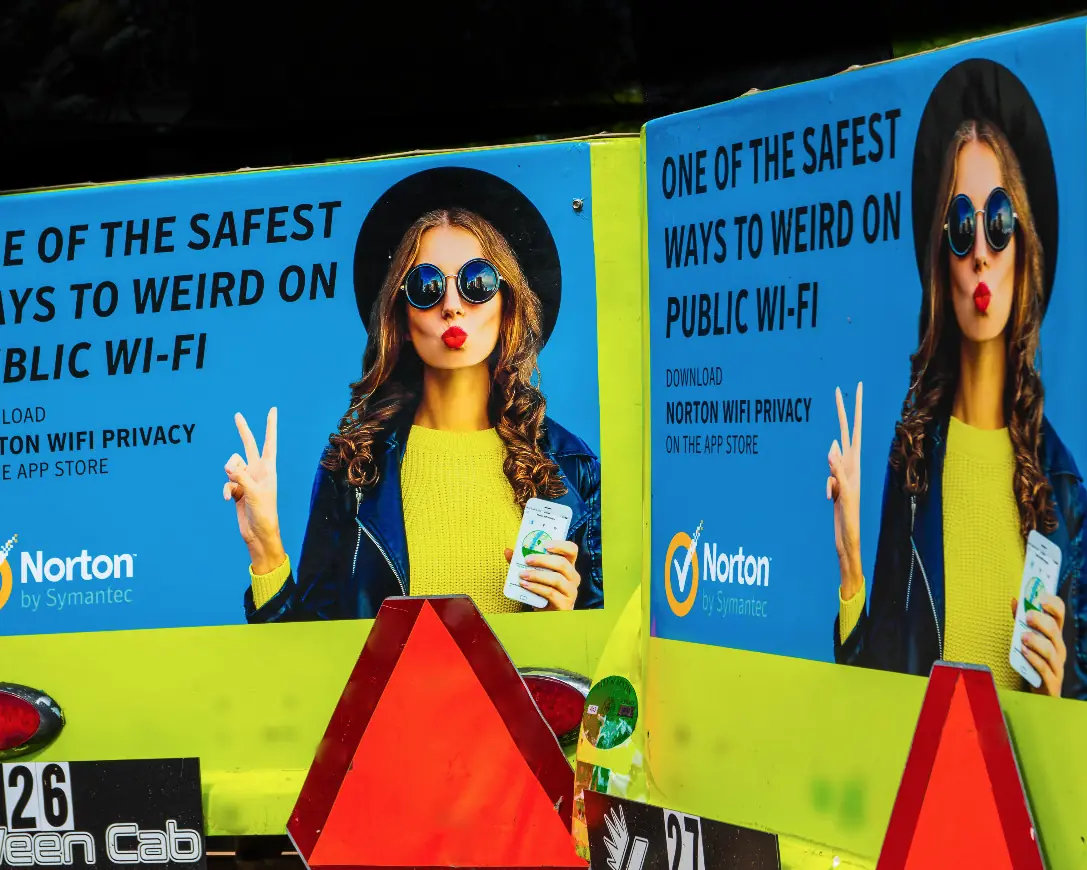
Norton-branded pedicab ad panels

STREET TEAMS + SAMPLING

The Cab Gets Seen. The Team Can Start the Conversation.

Brand ambassadors can support the fleet with sampling, promotional distribution, QR engagement, ride pickup support, directions, lead-generation prompts, and event-specific messaging.

That combination works especially well around conventions, festivals, and sports where the crowd is already walking through a defined district and the campaign needs more than passive visibility.

CHICAGO CAMPAIGNS SHOULD BE BUILT AROUND THE AUDIENCE

The City Is the Map. The Event Is the Target.

A McCormick Place campaign may be designed around convention release, hotel traffic, and exhibitor hospitality. A United Center campaign may care about two hours before doors and the rush after the final buzzer. A Lollapalooza campaign may be more interested in hotel clusters, downtown movement, and aftershow traffic.

That is the point of a market plan: identify the audience first, then build the media and ride footprint around how that audience actually moves.

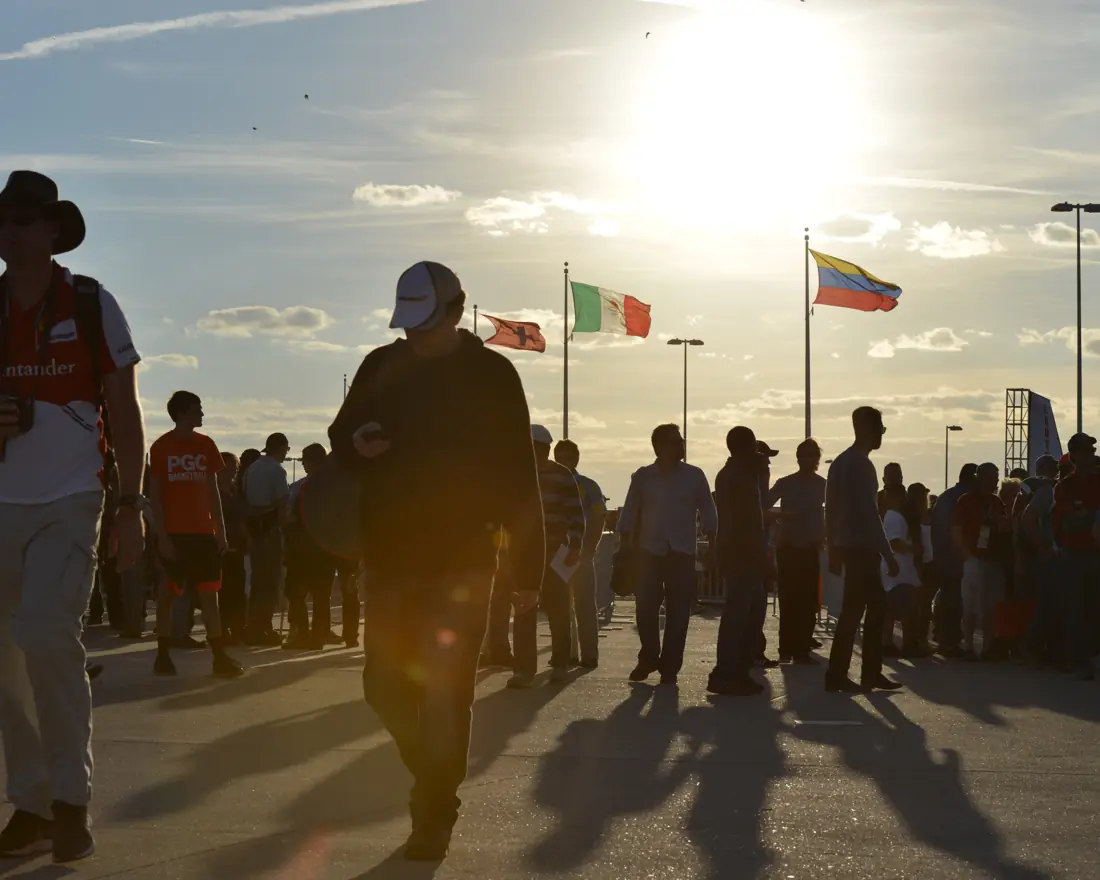
Race-day crowd walking at golden hour

PROOF OF PERFORMANCE

Show What Happened After the Fleet Hit the Street.

Depending on the program, reporting can include ride counts, route activity, GPS route data, photography, activation notes, and other proof-of-performance elements appropriate to the campaign.

PLANNING A CHICAGO CAMPAIGN?

Tell Us the Event. We Will Help With the Street.

Send us the event, dates, audience, and objective. We can help determine whether the opportunity belongs around McCormick Place, a stadium, an arena, Wrigleyville, Grant Park, the lakefront, or another Chicago event district.

You do not need to know the fleet size, exact route, or pickup plan before contacting us. That is part of what we are here to solve.